Because kratom is relatively new in the US, new consumers often ask: “how do I choose a kratom strain?” It’s a great question – and the answer isn’t as simple as you might think.
Considering many vendors offer 40+ kratom strains, it’s a fair question. Unfortunately, the normal answer isn’t as helpful as you’d think. After you learn what’s really going on, you’ll see the problem with focusing on strains to decide on the best type of kratom for you.
Originally, the plan was to make a kratom strain chart guide. But as we learned how many myths are out there (and people who believe them!), we realized our community could benefit from a more thorough discussion of the different types of kratom. Our mission at Top Tree is helping people use kratom correctly. And to do that, we need to be operating from a shared understanding of kratom products and unmask the myths that many companies have created.
The Problem with Kratom Strain Names
In this post, we break down the myth of the kratom strain. To frame things, we’ll start by describing what you find when you research kratom strain differences. After that, we’ll separate fact from fiction and review a few tips for thinking about strains in this new context.
Types of Kratom: Vein Color
If you Google “kratom strain guide,” you’ll notice how most vendors repeat the same few kratom “facts.” Sadly, you rarely learn anything new. It’s unfortunate, especially because there’s a lot more to the story than most lead on. Before we explain what’s wrong with this, let’s review what you normally hear:
What Vendors Usually Say About Red Vein Kratom:
Red vein kratom is produced from more mature leaves. It has a rich alkaloid content that consumers regard as especially effective for rest and relaxation. Red veins invite a sense of well-being, perfect for a calming end to your day. Of all the options, go with a red vein kratom variety if you’re trying to wind down from a long day.
What Vendors Usually Say About White Vein Kratom:
White vein kratom is the strain for energy! Loved as a coffee replacement, white vein is harvested from young leaves. It’s a great choice for starting your day. Of all the strains, choose a white vein if you’re looking for increased motivation and focus.
What Vendors Usually Say About Green Vein Kratom:
Green vein kratom is a well rounded strain known for instilling a sense of equilibrium in your day. It’s known as the balanced strain with effects somewhere between a white and a red kratom. Green vein kratom is a milder option known for promoting a sense of optimism. Many consider it a great starting strain for beginners.
What Vendors Usually Say About Yellow Vein Kratom & Gold Kratom:
You may have seen some vendors talk about their new yellow vein strains. In fact, these are simply blends of other vein colors being marketed as a completely different product. If a vendor isn’t upfront about this, we recommend going with someone else.
Kratom Strain Guide: Location
After the strain’s vein color, the second part of the name is often the supposed country of origin. Whether it’s Borneo, Bali, Thai, or Vietnam, the name is meant to indicate where the product was harvested.
All of this sounds great, right? Vendors promote the idea that different strains are being cultivated in specific regions, and convince customers that people are creating unique kratom products with fundamentally different effects.
Unfortunately, it’s really just a big marketing ploy. Let us explain.
The Truth About Kratom Strains and Vein Colors
Where does kratom come from? Today, kratom trees can be found throughout Southeast Asia, but almost all the kratom imported to the US comes from Indonesia. Specifically, much of the kratom comes from Borneo, a large island that is shared between Indonesia, Malaysia, and Brunei.
While kratom is still grown and exported from other regions, the quantity from these other places is much lower. This means the location indicated on most US kratom products isn’t very accurate. Some people will argue that Malay kratom or Bali kratom comes from trees in Borneo that were brought there from Malaysia or Bali (or another such location), but this seems incredibly unlikely.
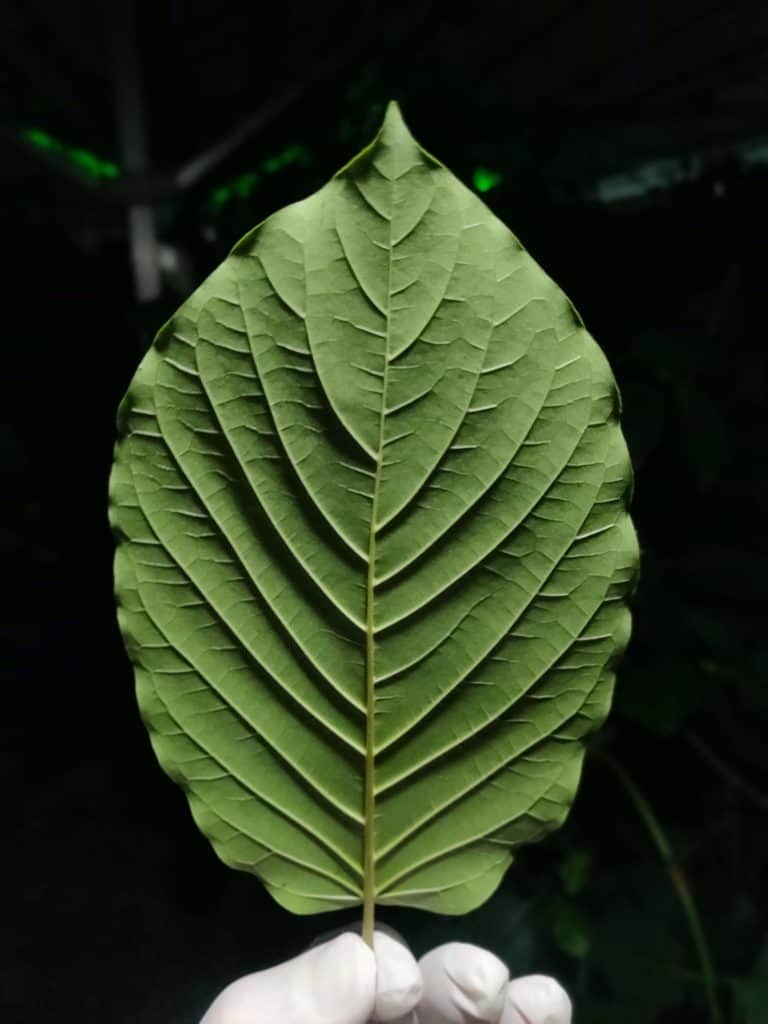
Next are kratom colors. Some vendors claim that the different kratom vein colors (describe above) come from different types of kratom leaves, but this has been revealed to by a myth. The colors in the product names aren’t related to the color of the literal leaf veins, but are instead a result of different drying and processing methods. One popular technique is to use light exposure and fermentation to change the leaf color.
Related: How are Different Kratom Vein Colors Made?
While kratom trees do vary across different regions, there are not different varieties of kratom trees or individual leaves that are used to make particular strains!
Why Does Each Kratom Strain Have Slightly Different Effects?
“But wait, Top Tree!” you’re thinking, “I’ve experienced different effects from different strains!” We aren’t trying to argue you on this. You have—it’s not all a placebo.
There are important differences between kratom products. And as we hope you can tell by now, it’s not the strain, per se, nor is it just the vein color. In reality, the differences in kratom’s effects all come down to a few important things: alkaloid content and marketing. Yes, marketing!
Kratom has over 40 alkaloids, and individual products will vary by alkaloids and quantity. But even so, researchers have found that marketing may play a large role in the effects people perceive from various kratom strains which don’t have significantly different levels of kratom alkaloids.
Where Do We Go from Here?
So there you have it: the myth of the kratom strain. There aren’t different strains of kratom trees. What people read about there being different types of kratom is typically wrong—the kratom industry itself is responsible for perpetuating the myths many people believe. However, how that doesn’t mean different kratom products won’t have unique effects.
Reputable vendors have designed systems for classifying kratom by effect. And the methods work regardless of vein color or region, so there is light at the end of the tunnel.
We hope you learned something useful and that it will help you choose the best kratom strains for you when trying new options in the future. Ultimately, it’s all about testing different kratom products and finding what’s right for your individual physiology and needs!
Once you’ve found your perfect kratom strain, we’d love to know: what’s your favorite strain?