Strangely, there seem to be more types of kratom in the U.S. than in places like Southeast Asia, where kratom grows naturally (and where most of the kratom in the U.S. is sourced from). Why is that? Well, it’s not because there are more varieties of kratom trees in the U.S.All varieties of kratom on the market share one thing in common: they are derived from the leaves of the kratom plant, Mitragyna speciosa. Kratom trees, which belong to the same family as the coffee plant, naturally grow in tropical environments and can be found in countries such as Indonesia, Thailand, Malaysia, Vietnam, the Philippines, and New Guinea.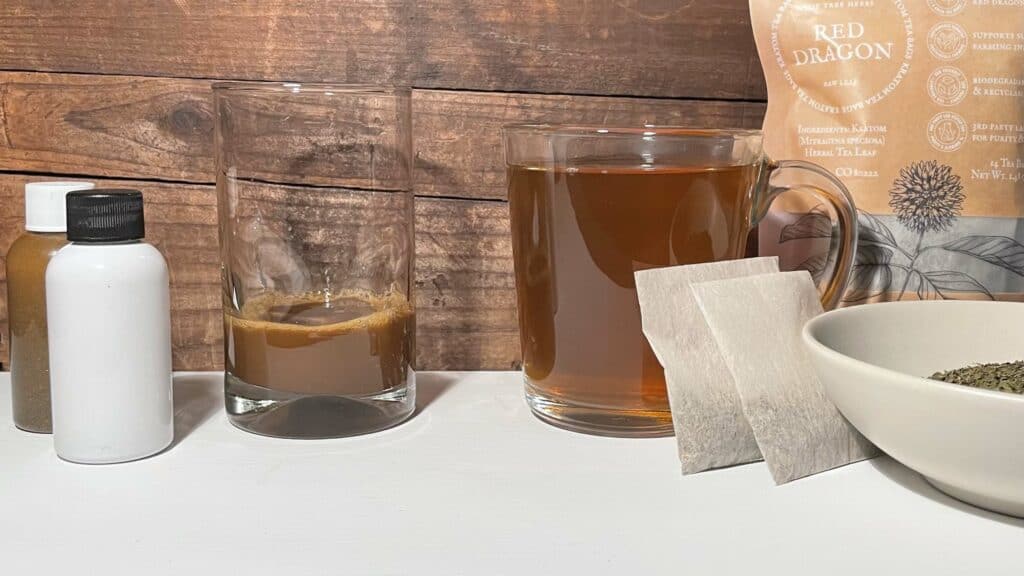 For kratom beginners and experienced kratom consumers alike, learning about the different varieties of kratom can be difficult if you don’t know exactly what “kratom types” refers to. What exactly are the different “types of kratom?” Does “types” apply to the different kratom strains? Or does it mean the different types of kratom products or forms of kratom offered by various kratom brands?To make the learning process easier, we’ve broken down kratom types into the following categories and subcategories, which we’ll dive into below.
 As different lighting conditions enhance different alkaloids, farmers in Indonesia can create different kratom vein colors and strains based on how they dry the leaves after harvesting them. Thus, kratom vein categories can serve as a helpful guide for consumers.There are three main kratom vein colors: white vein kratom, green vein kratom, and red vein kratom. These three main categories classify kratom strains by their effects. Overall, these three kratom “veins” serve as a loose guide for many getting started with trying kratom strains as a beginner.Now, there are more kratom vein types, but we’re sticking to the most common. (Many of the other types are actually just blends of the three main varieties – for example, yellow vein kratom is usually a mix of green and red vein kratom.)
 The best type of kratom for energy is white vein kratom. Consumers who are looking to gain an energy boost often enjoy white vein kratom tea, as it’s a great alternative to coffee. White vein kratom is a suitable choice to start your day, charge up before a workout, or enhance your productivity and motivation.The energizing effects of white vein kratom come from its unique alkaloid profile. To achieve this profile, workers use a particular drying process on the kratom leaves. Some people theorize that this process brings out the more uplifting alkaloids.Compared to green vein and red vein kratom, white vein kratom receives the least amount of sun exposure while drying. Minimizing the leaves’ exposure to strong sunlight brings out more of the stimulating alkaloids.If you’re trying to find a caffeine-free drink for energy, you might enjoy bringing a thermos of white vein kratom tea with you to work, the gym, or wherever you need a little boost to feel more focused, motivated, and energized.
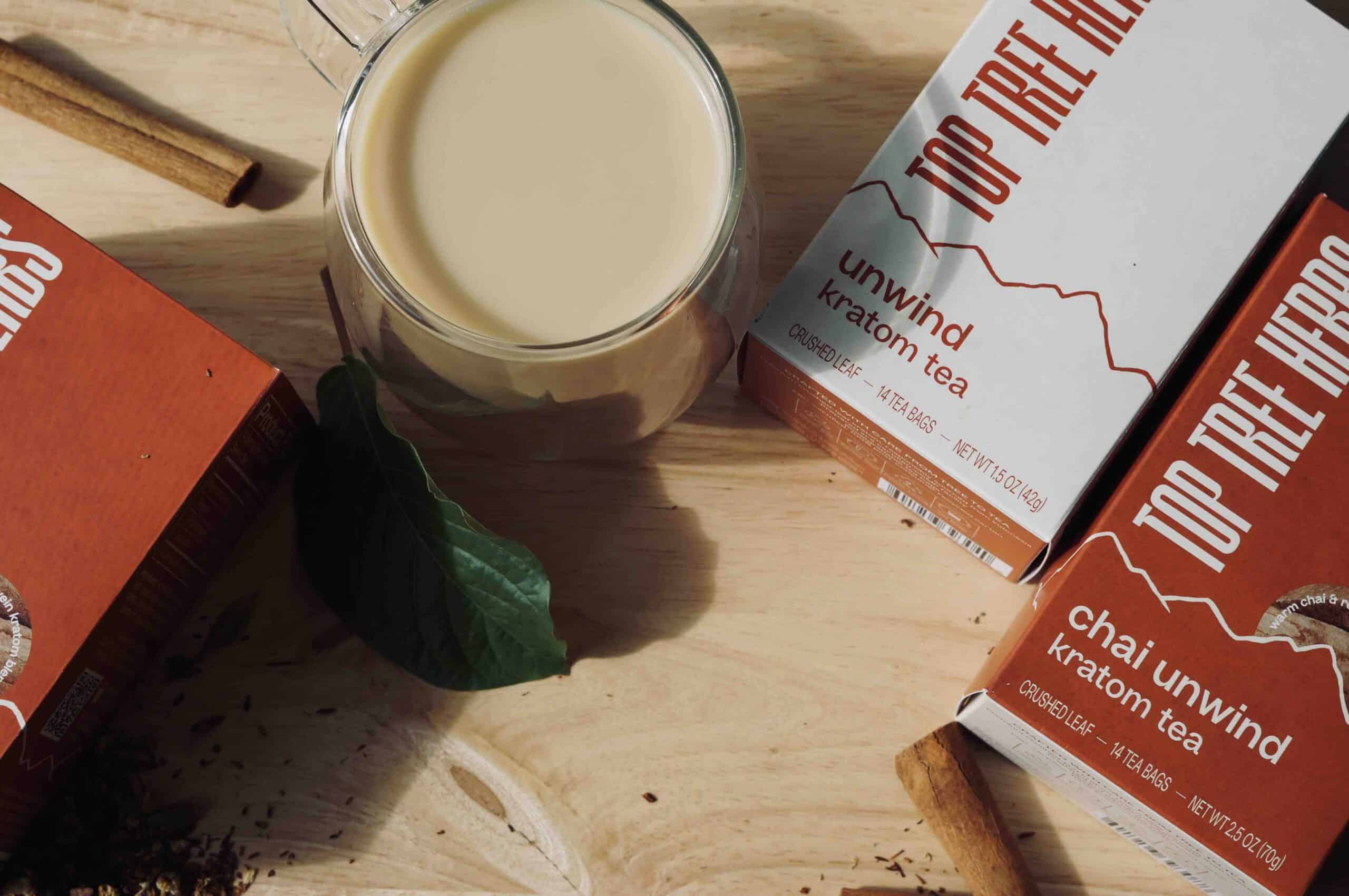 As one of the most popular kratom vein types, red vein kratom possesses a strong alkaloid profile that customers find to be relaxing and restful. Customers often enjoy a cup of red vein kratom tea to unwind, settle down after a stressful day, or prepare for sleep. Fans of red vein kratom tea enjoy the sense of peacefulness and well-being it gives them. It’s a soothing part of their routine for calming down after a long day.The secret to the relaxing effects of red vein kratom’s alkaloid content comes from the sun’s brightness and warmth. To make red vein kratom, workers lay freshly harvested leaves out in the sun to dry. Compared to green vein and white vein kratom, red vein kratom receives the most sun. Furthermore, many kratom drying houses use methods to partially ferment red vein kratom, which gives this kratom color its characteristic traits.Overall, if you’re seeking a sense of calmness and relaxation, you may find that a cup of red vein kratom tea is the perfect choice for your routine.
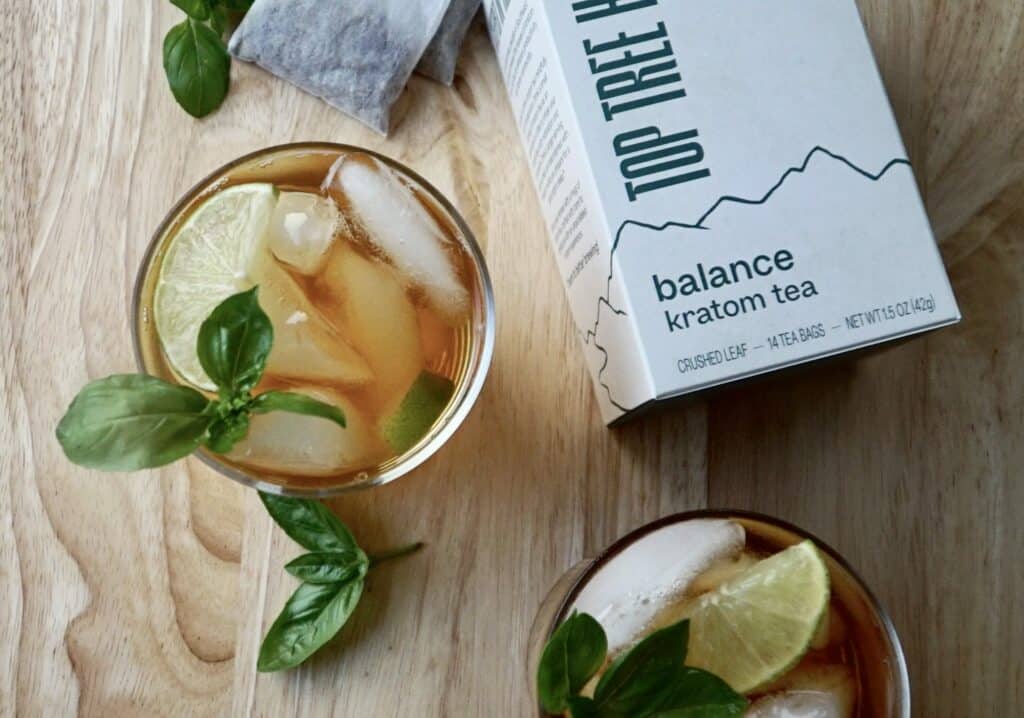 Green vein kratom is considered the most balanced kratom color. Consumers of this vein type enjoy the sense of composure and steadiness its alkaloids provide. The effects of green vein kratom fall somewhere in between white and red vein kratom, making it a good compromise between relaxation and energy. This well-rounded balance is helpful for enhancing a mindset of optimism and relaxed focus.Just as its effects fall in between the other kratom color types, its production methods also stem from a middle road; green vein kratom receives less sunlight than red vein kratom but more light than white kratom. Years of experimentation with different drying methods have allowed workers to really fine-tune their approach to bringing out an array of synergistic alkaloids in green vein kratom.If you’re not sure which is the best type of kratom color for your needs, green vein kratom is a good first choice for beginners. Furthermore, you can always try a kratom sampler pack with different vein colors to find your best fit.
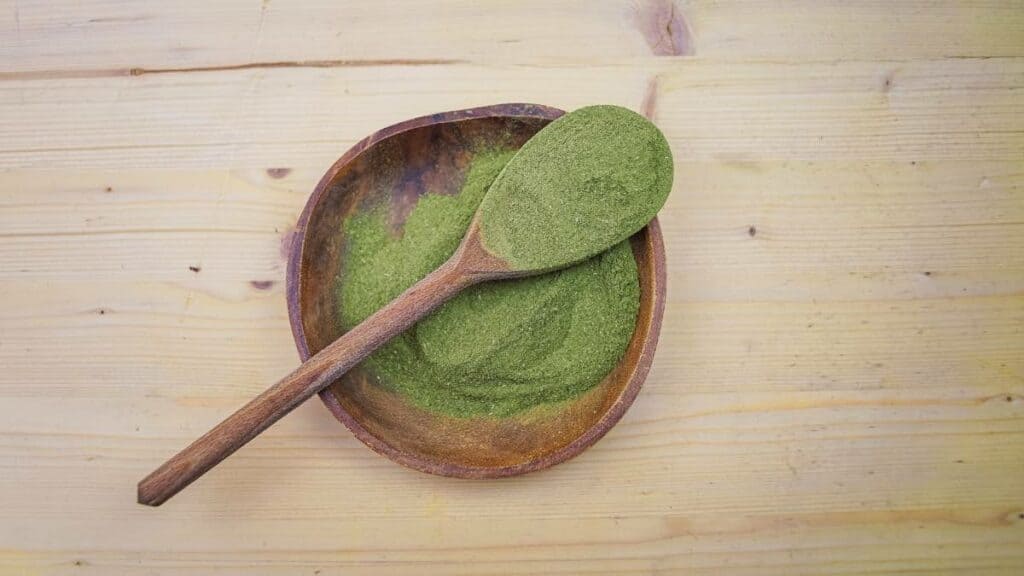 Kratom powder is the most popular form of kratom in the US. So, what is kratom powder, exactly? Well, kratom powder is made from finely ground kratom leaves. You can buy kratom powder in different strains and package weights.Kratom powder is known for being messy, bitter, and challenging to consume. That being said, it is one of the easiest kinds of kratom products to make, so it is widely available. You can find kratom powder for sale in head shops, gas stations, and online. Although people often think of doing toss and wash with kratom powder as being stronger than kratom tea, kratom powder isn’t stronger than tea.
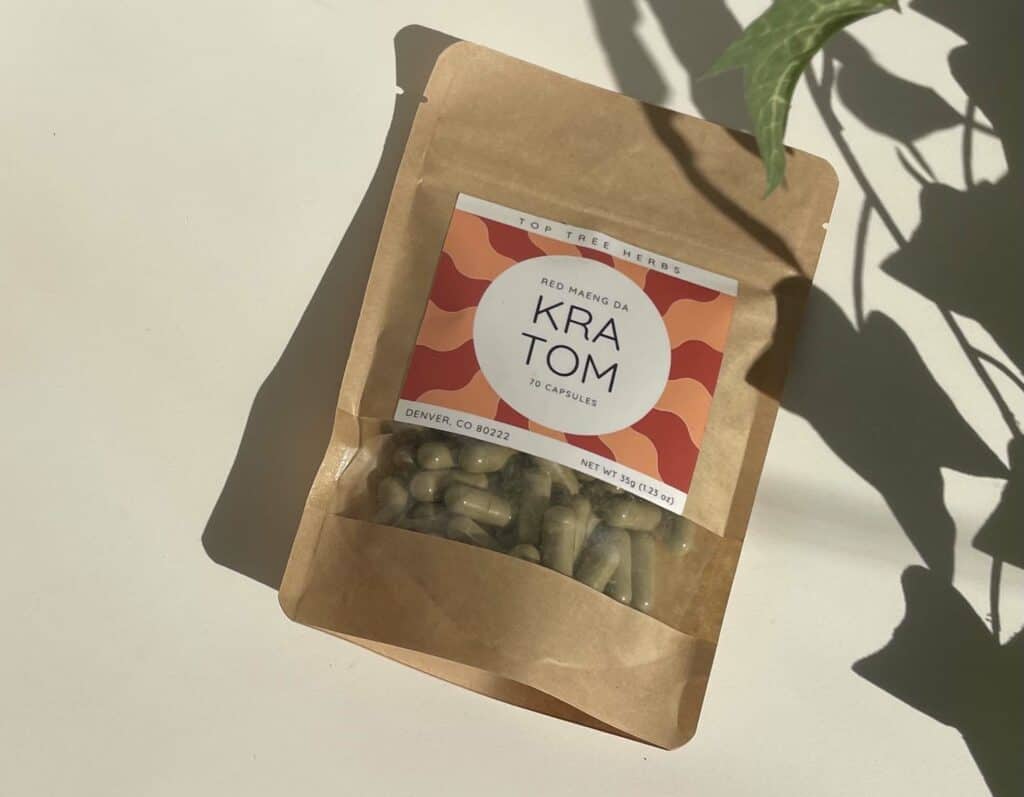 Kratom capsules, also sometimes called kratom pills, are similar to kratom powder in that they use finely-ground kratom leaves. However, unlike kratom powder, manufacturers use equipment to add a pre-measured amount of kratom powder to edible capsules (usually made of gelatin or plant-derived cellulose).Kratom capsules take away some of the mess and inconvenience out of kratom powder alone. They are easier to transport and consume, however, they can take longer to digest and must be stored correctly.
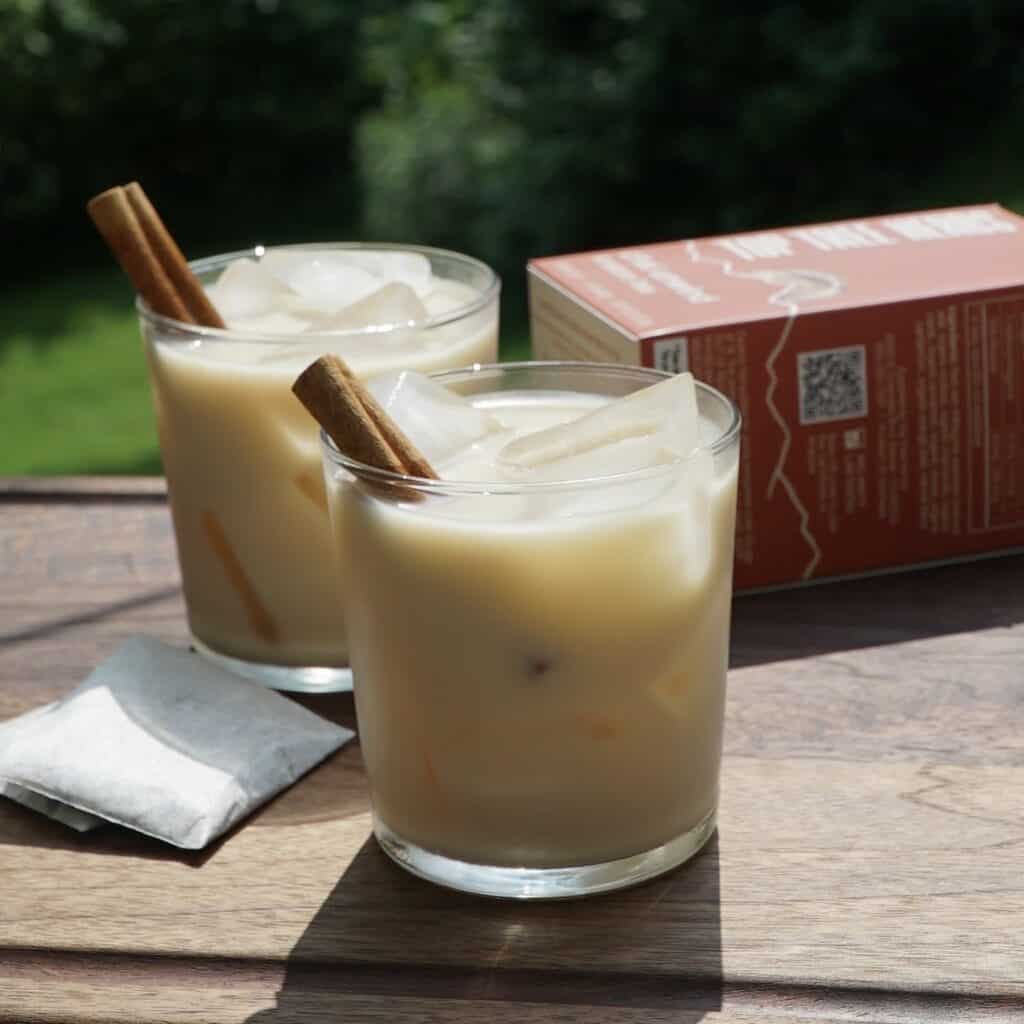 Kratom tea is one of the oldest methods of kratom consumption. It has played an important role in Southeast Asian traditions and has a long history of use. While there are a number of ways to make kratom tea, one of the easiest and most convenient ways is by using kratom tea bags.Kratom tea bags contain pure, crushed-leaf kratom and are perfect for brewing with boiling water. The boiling water naturally pulls the alkaloids from the tea leaves into your cup, providing the natural effects of the plant. One of the benefits of kratom tea bags is that you can easily transport them in a thermos or mug. Furthermore, kratom tea is the best-tasting kratom product, as you can make many different kratom tea recipes to suit your palate or buy flavored kratom tea bags that include a blend of other herbs and spices.If you prefer to avoid the uncertainties you may find with new kratom strains and recently developed products, you can always find a safe bet in kratom tea. Unlike kratom powder, kratom tea hasn’t been subjected to the same degree of confusing marketing practices. People have consumed it for ages, and it’s a method proven by time to satisfy.If you’re looking for the best type of kratom for beginners, the answer is kratom tea bags, all the way!
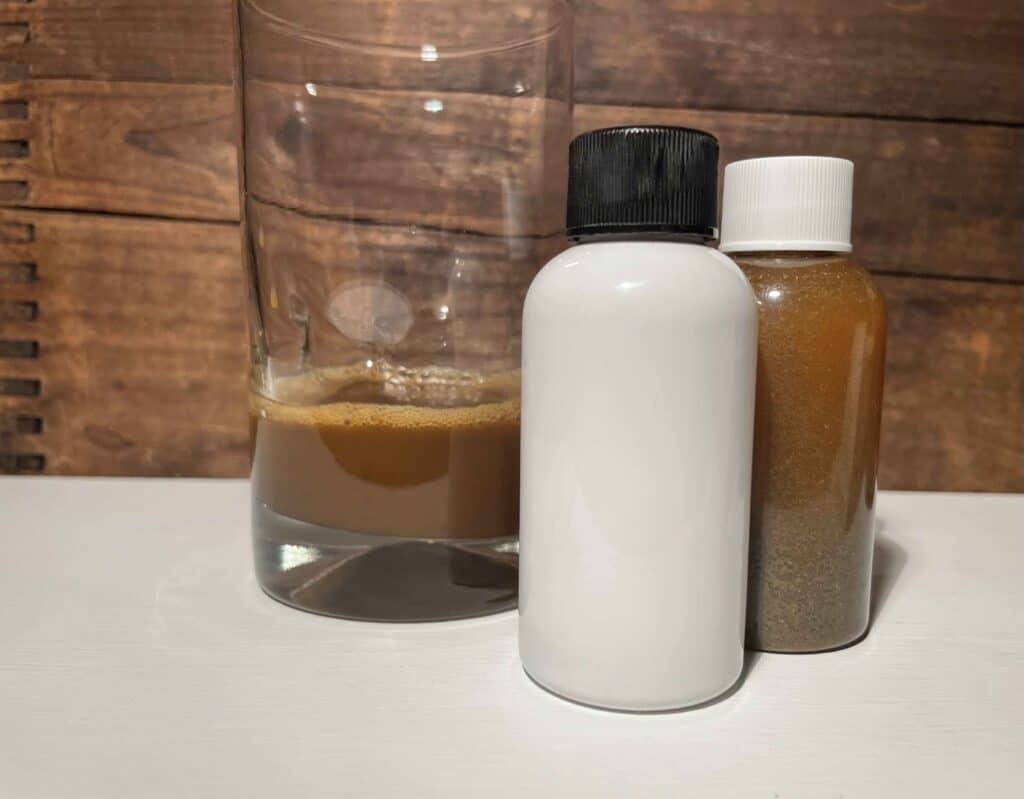 Although most forms of kratom liquid are extracts, not all kratom extracts are in liquid form. So, what is the definition of kratom extract? Well, the term “kratom extract” can be used to refer to any concentrated kratom products. Examples of kratom extracts include liquid kratom shots, tinctures, and energy drinks.However, you can also find other types of concentrated kratom products, such as extract powder, kratom gummies, or even kratom vape juice. Something to consider with kratom extracts is that the ingredients and concentration levels can vary wildly, and it leaves many wondering, just how strong is kratom extract?For these reasons, kratom extract liquids and other concentrated products are not recommended for beginners or for daily consumption.These are concentrated kratom products, but how strong are they? Vendors often market their extracts ambiguously. They may claim that an extract product is “2x strength” or “3x strength” without providing an actual amount of kratom alkaloids. So, when it comes to new kratom products, more can be merrier, but err on the side of caution when it comes to having too many new options.
 Bottled kratom drinks, from kratom seltzer to kratom iced tea, have become increasingly popular in the last couple of years. You can find them at some kratom stores, but many brands of kratom drinks are sold primarily online.These kratom drinks, tend to be quite expensive – especially when you factor in shipping costs – so if you’re looking for a kratom drink that you can make at home, try out one of these kratom drink recipes. You can easily DIY your favorite store-bought bottled kratom drink, from kratom cocktails and smoothies to kratom iced teas and mixed drinks.
 Kratom gummies are made with kratom extract; they typically only contain mitragynine as opposed to the full spectrum of kratom alkaloids.Use caution when buying and eating kratom gummies, as it can be an experience akin to eating candy. In some kratom gummies, the primary ingredient is sugar, followed by tapioca syrup, corn syrup, and a host of preservatives and artificial flavors.Plus, kratom gummies are by no means the cheapest kratom option. At some stores, gummies cost $2-$3 per serving! While kratom gummies are a fun novelty, they may not be the best kratom type for most people.
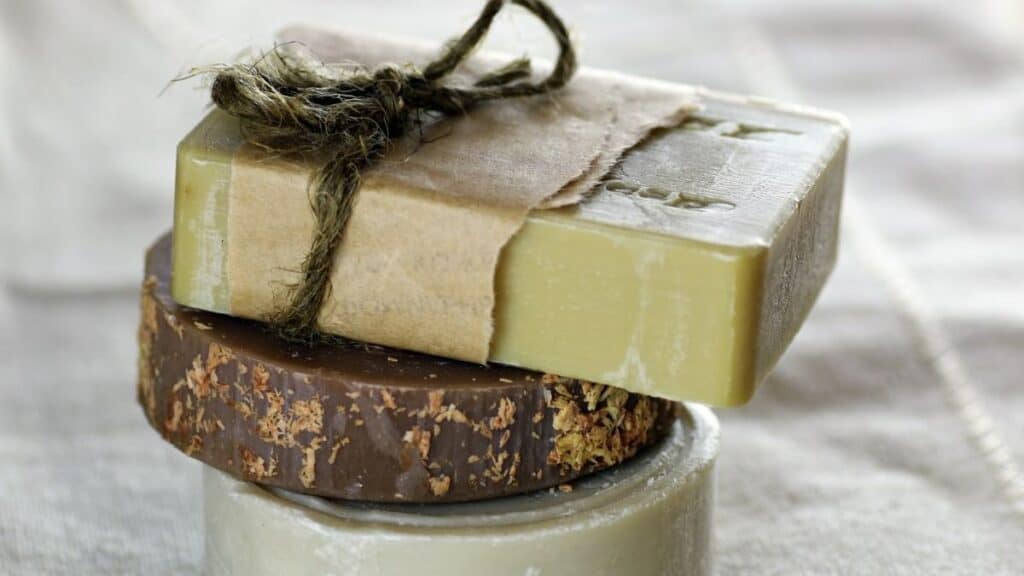 We’re not kidding – it does exist! In addition to soap, kratom has also been used to make products like bath bombs, kratom lotions, and other home and bath products. We won’t spend too much time on them though, because as you can probably guess, kratom soap and lotion won’t provide you with the effects that most people consume kratom for.
Kratom Product Differentiation
The reason it seems like there are more types of kratom in the United States is because kratom vendors in the U.S. have taken the types of kratom leaves (primarily green vein, white vein, and red vein kratom leaves), given them strain names to distinguish between the different batches (like Maeng da, Borneo, Bali), and then turned the kratom into a wide range of products for consumers to buy (from kratom tea and powder to kratom gummies and soaps).For kratom beginners and experienced kratom consumers alike, learning about the different varieties of kratom can be difficult if you don’t know exactly what “kratom types” refers to. What exactly are the different “types of kratom?” Does “types” apply to the different kratom strains? Or does it mean the different types of kratom products or forms of kratom offered by various kratom brands?To make the learning process easier, we’ve broken down kratom types into the following categories and subcategories, which we’ll dive into below.Different Types of Kratom Colors
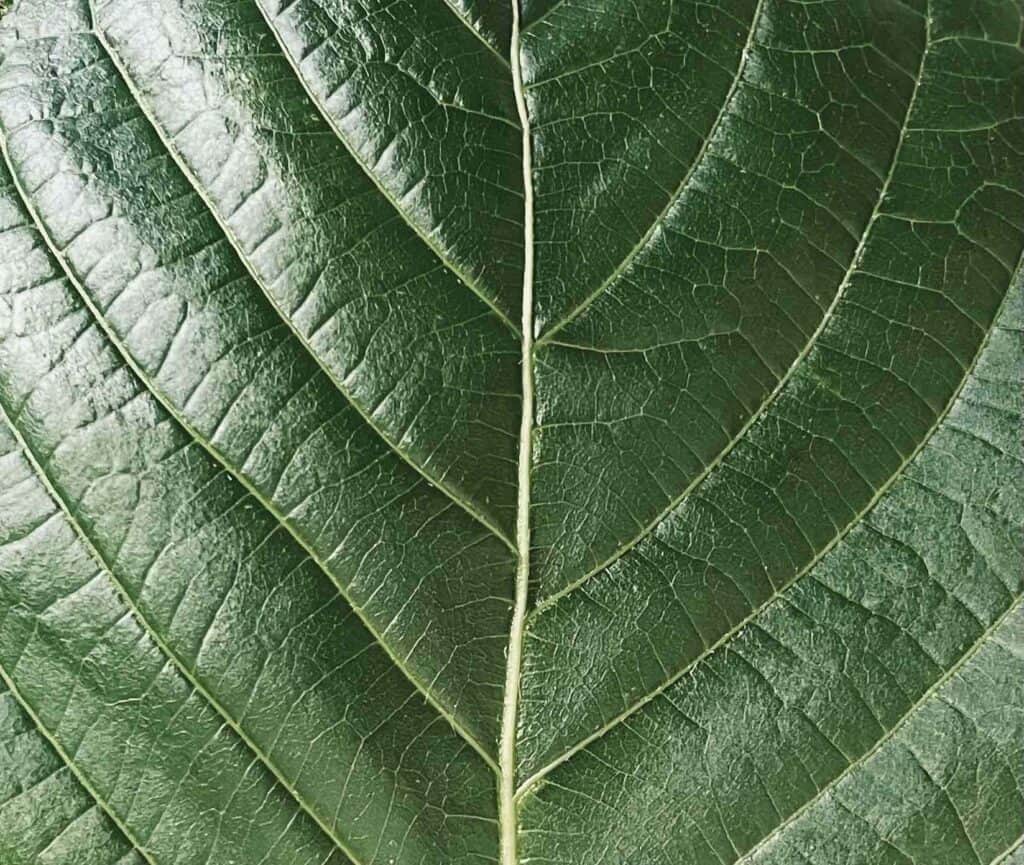
The first type of kratom category you should know is kratom vein colors. The “vein” in vein colors technically refers to the veins of the kratom leaves. Leaf veins are are made up of vascular tissue, and they transport water and nutrients throughout the leaf. They also provide structural support.Although most leaves from the kratom tree have red veins, this can change depending on the geographic location of the tree and the age of the leaves. That being said, the various kratom vein colors marketed in the U.S. don’t typically correspond with the leaves’ appearance. Rather, the different colors come from different drying processes. In turn, these drying methods create kratom’s different effects.As different lighting conditions enhance different alkaloids, farmers in Indonesia can create different kratom vein colors and strains based on how they dry the leaves after harvesting them. Thus, kratom vein categories can serve as a helpful guide for consumers.There are three main kratom vein colors: white vein kratom, green vein kratom, and red vein kratom. These three main categories classify kratom strains by their effects. Overall, these three kratom “veins” serve as a loose guide for many getting started with trying kratom strains as a beginner.Now, there are more kratom vein types, but we’re sticking to the most common. (Many of the other types are actually just blends of the three main varieties – for example, yellow vein kratom is usually a mix of green and red vein kratom.)1. White Vein Kratom
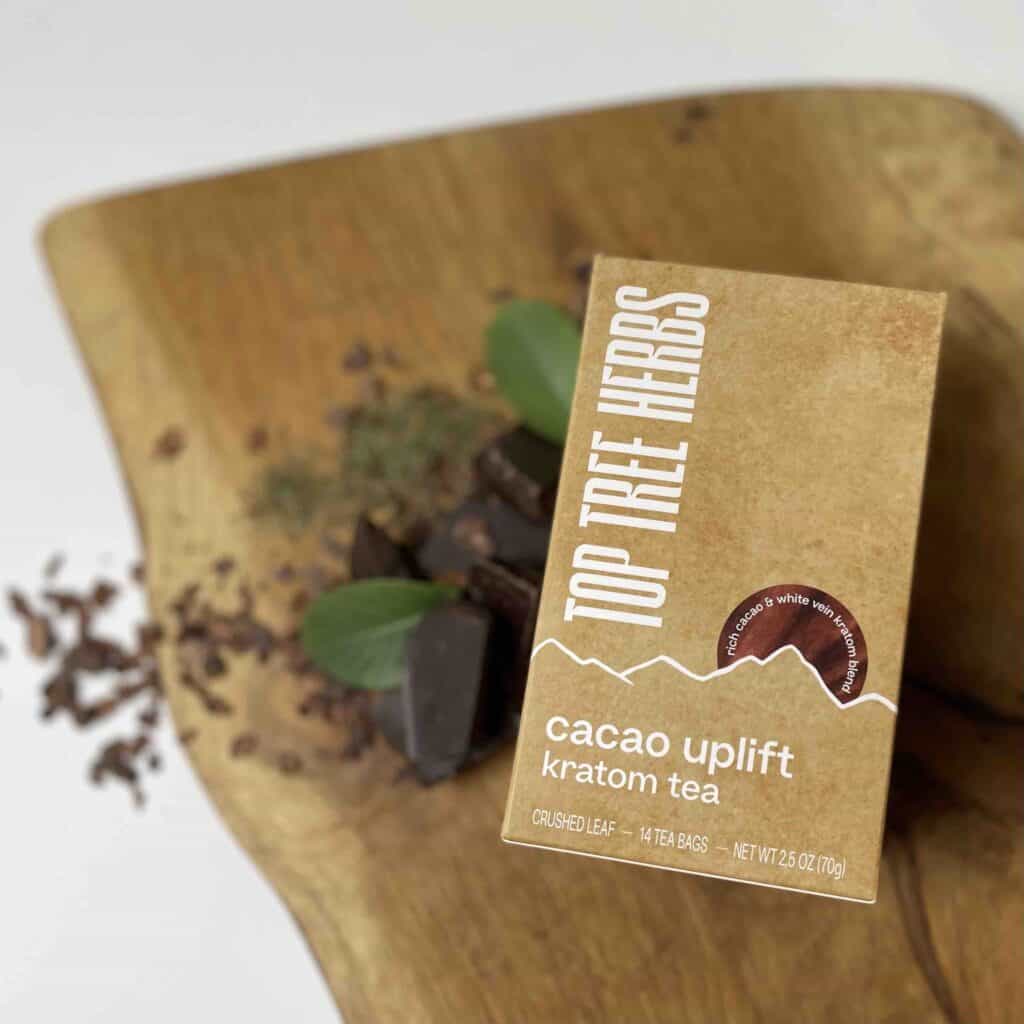
The best type of kratom for energy is white vein kratom. Consumers who are looking to gain an energy boost often enjoy white vein kratom tea, as it’s a great alternative to coffee. White vein kratom is a suitable choice to start your day, charge up before a workout, or enhance your productivity and motivation.The energizing effects of white vein kratom come from its unique alkaloid profile. To achieve this profile, workers use a particular drying process on the kratom leaves. Some people theorize that this process brings out the more uplifting alkaloids.Compared to green vein and red vein kratom, white vein kratom receives the least amount of sun exposure while drying. Minimizing the leaves’ exposure to strong sunlight brings out more of the stimulating alkaloids.If you’re trying to find a caffeine-free drink for energy, you might enjoy bringing a thermos of white vein kratom tea with you to work, the gym, or wherever you need a little boost to feel more focused, motivated, and energized.2. Red Vein Kratom
As one of the most popular kratom vein types, red vein kratom possesses a strong alkaloid profile that customers find to be relaxing and restful. Customers often enjoy a cup of red vein kratom tea to unwind, settle down after a stressful day, or prepare for sleep. Fans of red vein kratom tea enjoy the sense of peacefulness and well-being it gives them. It’s a soothing part of their routine for calming down after a long day.The secret to the relaxing effects of red vein kratom’s alkaloid content comes from the sun’s brightness and warmth. To make red vein kratom, workers lay freshly harvested leaves out in the sun to dry. Compared to green vein and white vein kratom, red vein kratom receives the most sun. Furthermore, many kratom drying houses use methods to partially ferment red vein kratom, which gives this kratom color its characteristic traits.Overall, if you’re seeking a sense of calmness and relaxation, you may find that a cup of red vein kratom tea is the perfect choice for your routine.3. Green Vein Kratom
Green vein kratom is considered the most balanced kratom color. Consumers of this vein type enjoy the sense of composure and steadiness its alkaloids provide. The effects of green vein kratom fall somewhere in between white and red vein kratom, making it a good compromise between relaxation and energy. This well-rounded balance is helpful for enhancing a mindset of optimism and relaxed focus.Just as its effects fall in between the other kratom color types, its production methods also stem from a middle road; green vein kratom receives less sunlight than red vein kratom but more light than white kratom. Years of experimentation with different drying methods have allowed workers to really fine-tune their approach to bringing out an array of synergistic alkaloids in green vein kratom.If you’re not sure which is the best type of kratom color for your needs, green vein kratom is a good first choice for beginners. Furthermore, you can always try a kratom sampler pack with different vein colors to find your best fit.What are the Different Types of Kratom Strains?
While kratom vein colors group kratom types by their effects and drying methods, these main color groups are often broken into more specific types, called kratom strains.Related: Best Kratom Strains: How to Pick the Right One
1. Types of Strains Related to Geographic Regions
Many strains refer to countries and islands throughout Southeast Asia. These include Borneo, Bali. Malaysia (Malay kratom), Java, Indonesia (Indo kratom), and Thailand (Thai kratom).However, most kratom comes from a particular region of the island of Borneo in Indonesia. In fact, kratom is illegal in Malaysia, so it’s obvious that Malay kratom doesn’t actually come from Malaysia. The same is true for Thai varieties—kratom was illegal in Thailand until just a few years ago, but Thai strains have been on the market for a much longer time.2. Types of Strains that Indicate Strength
Some strain names, like White Maeng Da, are meant to indicate how strong a kratom product is. Maeng da is a Thai word that loosely translates to “pimp grade.” Many companies use the term for their strongest batches.Interestingly, some companies use terms like Bali or Borneo to refer to kratom batches of a lower alkaloid content. While this can get confusing, it is helpful that some kratom vendors will be more honest than others when it comes to strain origins.3. Types of Strains that Refer to Leaf Shape and Size
A few strain names sometimes are meant to refer to the type leaves a particular product is sourced from. Examples are horn kratom and elephant kratom/super green kratom.Horn kratom supposedly comes from “spiky leaves,” or leaves with serrate or dentate margins. Elephant kratom supposedly comes from the largest, most mature leaves.However, many visitors to kratom farms say this is not factual. It seems these strain names are almost always fabricated. Farmers don’t actually have time to selectively pick leaves of a certain size or shape to make certain batches of kratom.How are Types of Kratom Strains Really Derived?
If it’s not based on the location the trees grow or the size and morphology of the leaves, how are strains actually different?Some vendors mix kratom leaves from different batches or vein colors to make unique blends, and then give them strain names to differentiate them.This allows you to more easily keep track of exactly which kratom type you liked, so you can buy the same strain again if you enjoyed it.The composition of each kratom strain may vary from vendor to vendor, so keep that in mind when switching to a new kratom vendor or switching between the different forms of kratom products that are labeled with the same strain name.Each group of farmers or manufacturers may do it differently, though. Furthermore, some vendors assign kratom strain names arbitrarily to drive interest in new products.Kratom products with the same strain name are thus frequently inconsistent between vendors and batches. (That’s why Top Tree Herbs has stopped using kratom strain names.)The composition of each kratom strain may vary from vendor to vendor, so keep that in mind when switching to a new kratom vendor or switching between the different forms of kratom products that are labeled with the same strain name.
What Types of Kratom Products Are There?
Kratom strain names and vein colors aside, what are the other “types” of kratom? By this, we mean, what are the different forms of kratom? While the kratom market hasn’t quite diversified to the level of the CBD industry, the American kratom market still boasts a large offering of Mitragyna speciosa products.Although kratom is relatively new to the Western world, you can find far more types of kratom products for sale in the US market than in Southeast Asia. Due to the rapidly growing popularity of kratom in the US, vendors have diversified the number of available kratom products. Below is a list of different kratom product types.Most Common Kratom Products
1. Kratom Powder
Kratom powder is the most popular form of kratom in the US. So, what is kratom powder, exactly? Well, kratom powder is made from finely ground kratom leaves. You can buy kratom powder in different strains and package weights.Kratom powder is known for being messy, bitter, and challenging to consume. That being said, it is one of the easiest kinds of kratom products to make, so it is widely available. You can find kratom powder for sale in head shops, gas stations, and online. Although people often think of doing toss and wash with kratom powder as being stronger than kratom tea, kratom powder isn’t stronger than tea.2. Kratom Capsules
Kratom capsules, also sometimes called kratom pills, are similar to kratom powder in that they use finely-ground kratom leaves. However, unlike kratom powder, manufacturers use equipment to add a pre-measured amount of kratom powder to edible capsules (usually made of gelatin or plant-derived cellulose).Kratom capsules take away some of the mess and inconvenience out of kratom powder alone. They are easier to transport and consume, however, they can take longer to digest and must be stored correctly.Liquid Kratom Products
If kratom powder and capsules come from ground kratom leaves, then what is kratom liquid, and where does it come from? Well, there are numerous types of liquid kratom products, including kratom tinctures, liquid kratom extract shots, kratom drinks, kratom seltzers, and liquid kratom extracts.There are a number of methods to make kratom liquids, but given that most varieties of kratom liquids are concentrated extracts, the process starts by extracting alkaloids from kratom leaf material, such as powder. Some methods of kratom extraction use boiling water and sifting, while others use pressure or cooling phases.3. Kratom Tea
Kratom tea is one of the oldest methods of kratom consumption. It has played an important role in Southeast Asian traditions and has a long history of use. While there are a number of ways to make kratom tea, one of the easiest and most convenient ways is by using kratom tea bags.Kratom tea bags contain pure, crushed-leaf kratom and are perfect for brewing with boiling water. The boiling water naturally pulls the alkaloids from the tea leaves into your cup, providing the natural effects of the plant. One of the benefits of kratom tea bags is that you can easily transport them in a thermos or mug. Furthermore, kratom tea is the best-tasting kratom product, as you can make many different kratom tea recipes to suit your palate or buy flavored kratom tea bags that include a blend of other herbs and spices.If you prefer to avoid the uncertainties you may find with new kratom strains and recently developed products, you can always find a safe bet in kratom tea. Unlike kratom powder, kratom tea hasn’t been subjected to the same degree of confusing marketing practices. People have consumed it for ages, and it’s a method proven by time to satisfy.If you’re looking for the best type of kratom for beginners, the answer is kratom tea bags, all the way!4. Kratom Extracts
Although most forms of kratom liquid are extracts, not all kratom extracts are in liquid form. So, what is the definition of kratom extract? Well, the term “kratom extract” can be used to refer to any concentrated kratom products. Examples of kratom extracts include liquid kratom shots, tinctures, and energy drinks.However, you can also find other types of concentrated kratom products, such as extract powder, kratom gummies, or even kratom vape juice. Something to consider with kratom extracts is that the ingredients and concentration levels can vary wildly, and it leaves many wondering, just how strong is kratom extract?For these reasons, kratom extract liquids and other concentrated products are not recommended for beginners or for daily consumption.These are concentrated kratom products, but how strong are they? Vendors often market their extracts ambiguously. They may claim that an extract product is “2x strength” or “3x strength” without providing an actual amount of kratom alkaloids. So, when it comes to new kratom products, more can be merrier, but err on the side of caution when it comes to having too many new options.5. Canned & Bottled Kratom Drinks
Bottled kratom drinks, from kratom seltzer to kratom iced tea, have become increasingly popular in the last couple of years. You can find them at some kratom stores, but many brands of kratom drinks are sold primarily online.These kratom drinks, tend to be quite expensive – especially when you factor in shipping costs – so if you’re looking for a kratom drink that you can make at home, try out one of these kratom drink recipes. You can easily DIY your favorite store-bought bottled kratom drink, from kratom cocktails and smoothies to kratom iced teas and mixed drinks.Miscellaneous Kratom Products
In addition to popular kratom varieties like kratom powder, tea, and extracts, there are a few less-popular kratom products that you can find online and in some kratom stores. These are candy products like kratom gummies and chocolate, as well as home products like kratom soap.Kratom candy products are usually made with extracts and are intended for oral consumption like most other types of kratom, while kratom home goods are more of a novelty with effects that are not well substantiated.6. Kratom Gummies
7. Kratom Resin
Kratom resin is actually a type of kratom extract, though it’s far less common than kratom extract shots or kratom extract powders. It’s hard to measure your serving size when you take kratom resin, so it’s not a recommended kratom type for beginners.How is kratom resin made? To make kratom resin, manufacturers extract alkaloids from kratom powder or whole-leaf kratom. The active compounds are extracted using alcohol or a boiling and cooling process. The result of these extensive extraction processes is an extremely concentrated sticky solid that has a brown or black hue.Wondering how to take kratom resin? These tarry chunks of kratom extract are most frequently mixed into juice or washed down with water, as they’re known to taste fairly unpleasant.8. Kratom Soap
We’re not kidding – it does exist! In addition to soap, kratom has also been used to make products like bath bombs, kratom lotions, and other home and bath products. We won’t spend too much time on them though, because as you can probably guess, kratom soap and lotion won’t provide you with the effects that most people consume kratom for.